
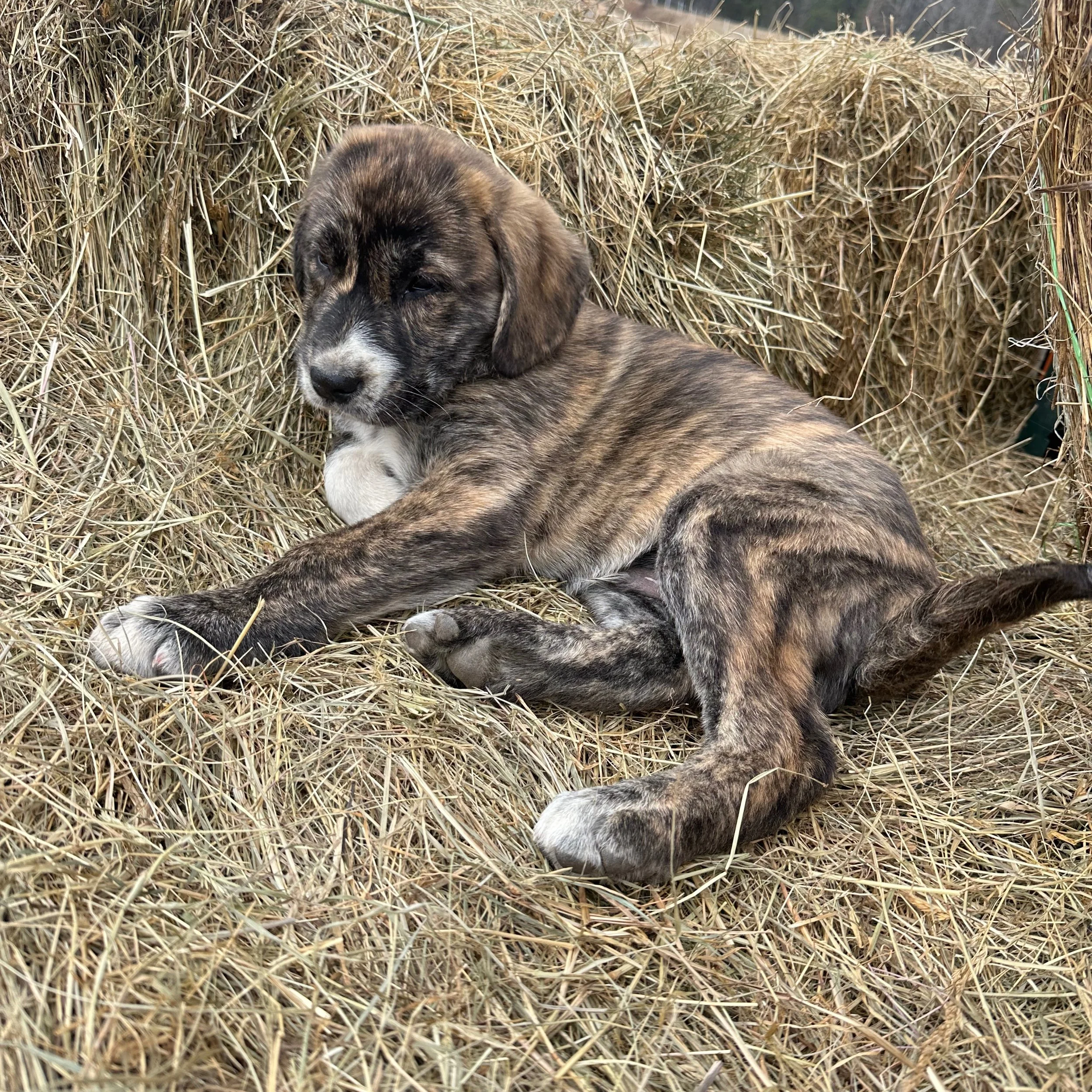
Are Central Asian Shepherds Aggressive? Understanding the True Temperament of Livestock Guardian Dogs
We’ve had several conversations lately with people who are curious—or concerned—about Central Asian Shepherds and whether they are aggressive toward humans. This misconception is common with large livestock guardian dog (LGD) breeds, but it’s simply not accurate.
Central Asian Shepherds are not aggressive toward people.
They are discerning, purpose-built working dogs with strong loyalty to their families and livestock. There’s a big difference between aggression and clear-headed protection.
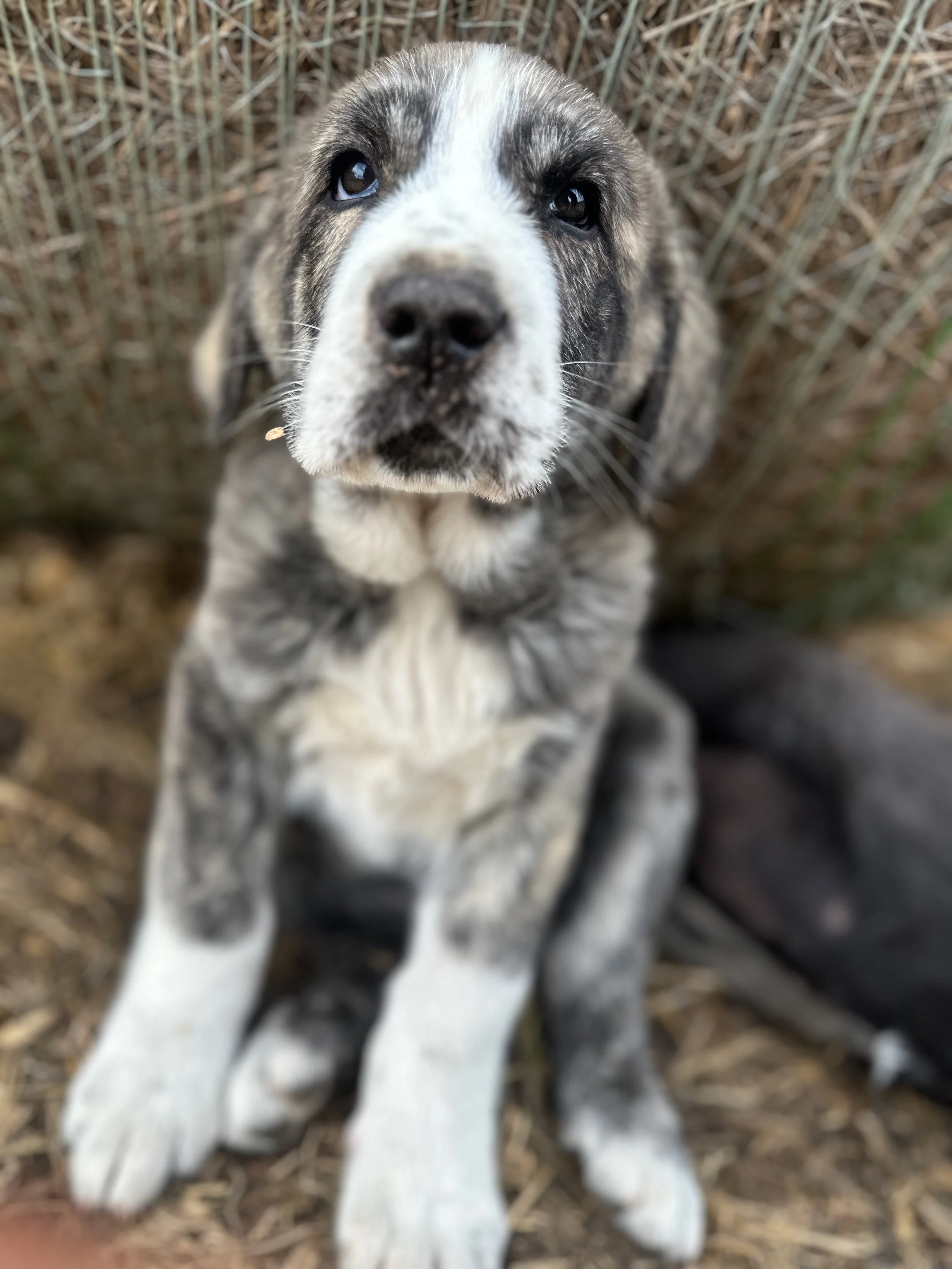
Puppies are alert and so lovable in the beginning. As they get older, they mature into wise and thinking guardians.
If you’re considering a Central Asian Shepherd for predator protection, here are a few important things to understand from real, on-the-ground experience raising and working these dogs:
What Central Asian Shepherds Are Really Like
✔ Loyal to Their Humans
Central Asian Shepherds form deep bonds with their people. Once you’re “their human,” they are affectionate, attentive, and highly relational.
✔ Content Staying on Their Land
Unlike some roaming breeds, well-bred Central Asian Shepherds are naturally inclined to stay with their territory and livestock. Roaming is typically a management issue—not a breed trait.
✔ Calm Until They’re Needed
These dogs are usually observant and relaxed. But when a predator shows up, they can switch into protection mode instantly. This ability to “turn on” is exactly what makes them excellent livestock guardian dogs.
✔ Emotionally Attached (Yes, Even a Little Jealous)
Because they bond strongly, they can show mild jealousy when attention is divided. This isn’t a behavioral flaw—it’s part of their deep relational wiring.
✔ Bred to Work, Not Be Couch Pets
Central Asian Shepherds thrive when they have a job. They are working dogs designed to guard livestock, patrol property, and provide predator deterrence. Without purpose, any LGD can become restless.
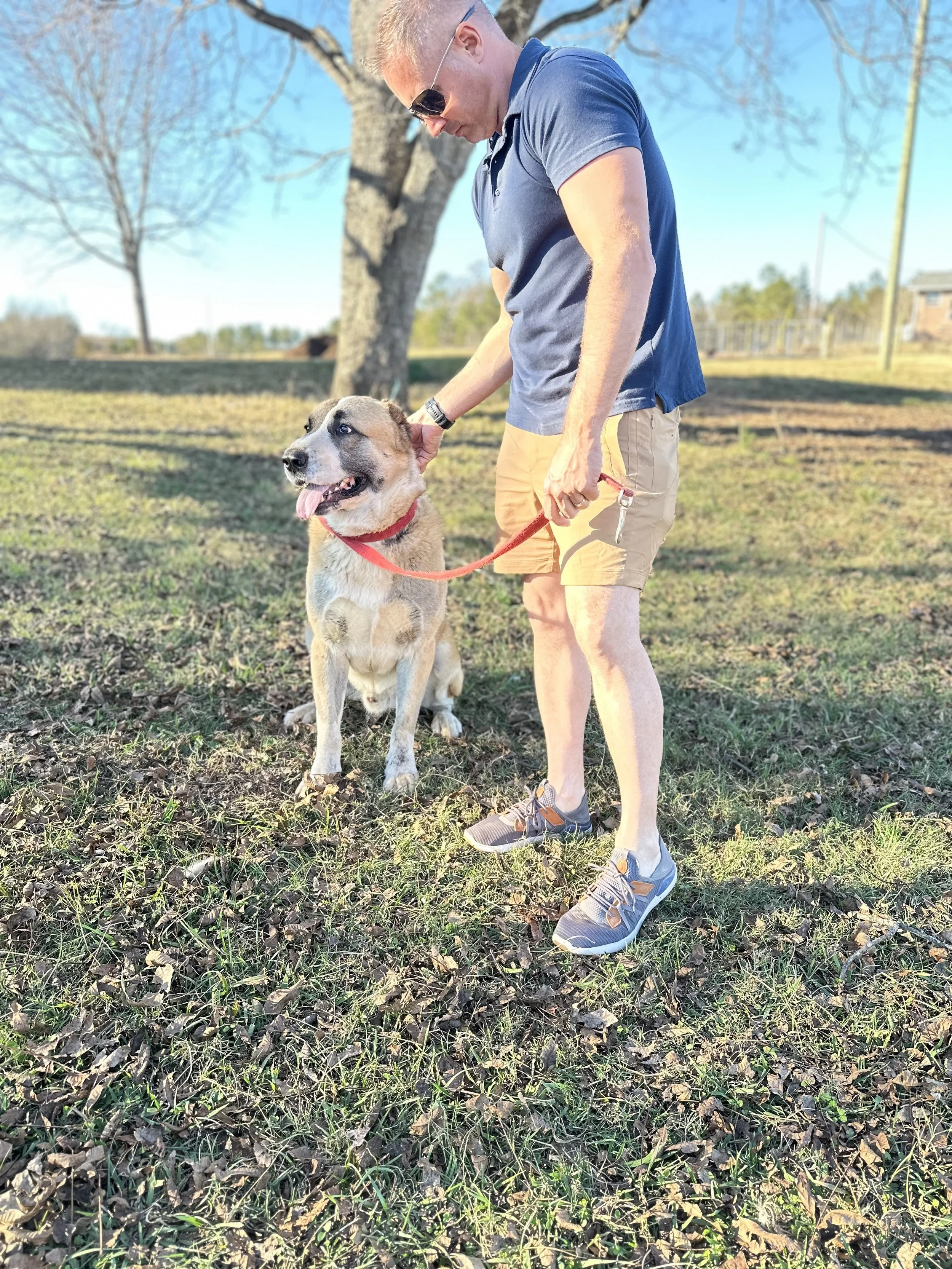
Our Male Central Asian Shepherd “Bear.” Confident and Loyal
✔ Puppies + Poultry Require Training
LGD puppies can do very well with chickens and turkeys, but young dogs may try to play if they’re bored. Many farms find that having two livestock guardian dogs helps because the dogs play with each other instead of bothering poultry during the learning phase.
✔ Genetically Sound, Purpose-Bred Dogs
Well-bred Central Asian Shepherds are selected for temperament, stability, and working ability—not show-ring looks. This is why they are not low-cost dogs. You’re paying for intentional breeding that produces reliable guardians.
The Real Economics of Livestock Protection
A common objection we hear is price. But here’s the honest math:
If you lose a flock of chickens or 10 turkeys to predators, that can easily exceed $1,000 in lost revenue in one night. A livestock guardian dog is not an expense—it’s a long-term investment in protection, peace of mind, and farm sustainability.
The better question isn’t:
“How much does a Central Asian Shepherd cost?”
It’s:
“How much does losing livestock cost me over time?”
Pet vs. Guardian: Know What You’re Getting
Some people want a pet—and that’s perfectly fine. But Central Asian Shepherds are livestock guardian dogs first.They bring:
Predator deterrence
Reduced livestock loss
Peace of mind
A calm, steady presence on the land
In regenerative and working farm systems, the goal isn’t the cheapest solution—it’s the most resilient one.
And a well-bred Central Asian Shepherd is exactly that:
Not aggressive. Not reckless. Just steady, loyal, and built for the long haul.
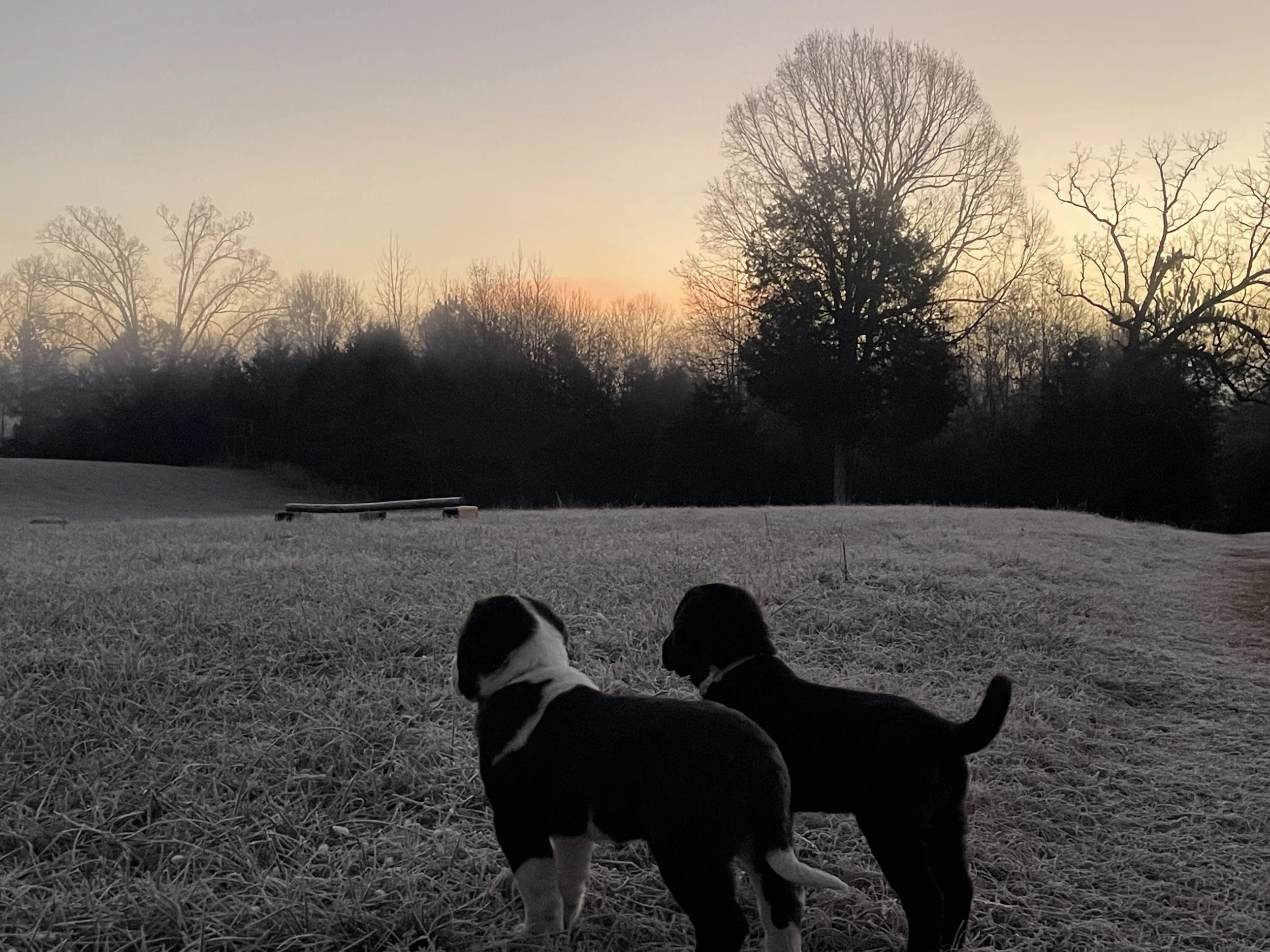

We Say No More Than Yes
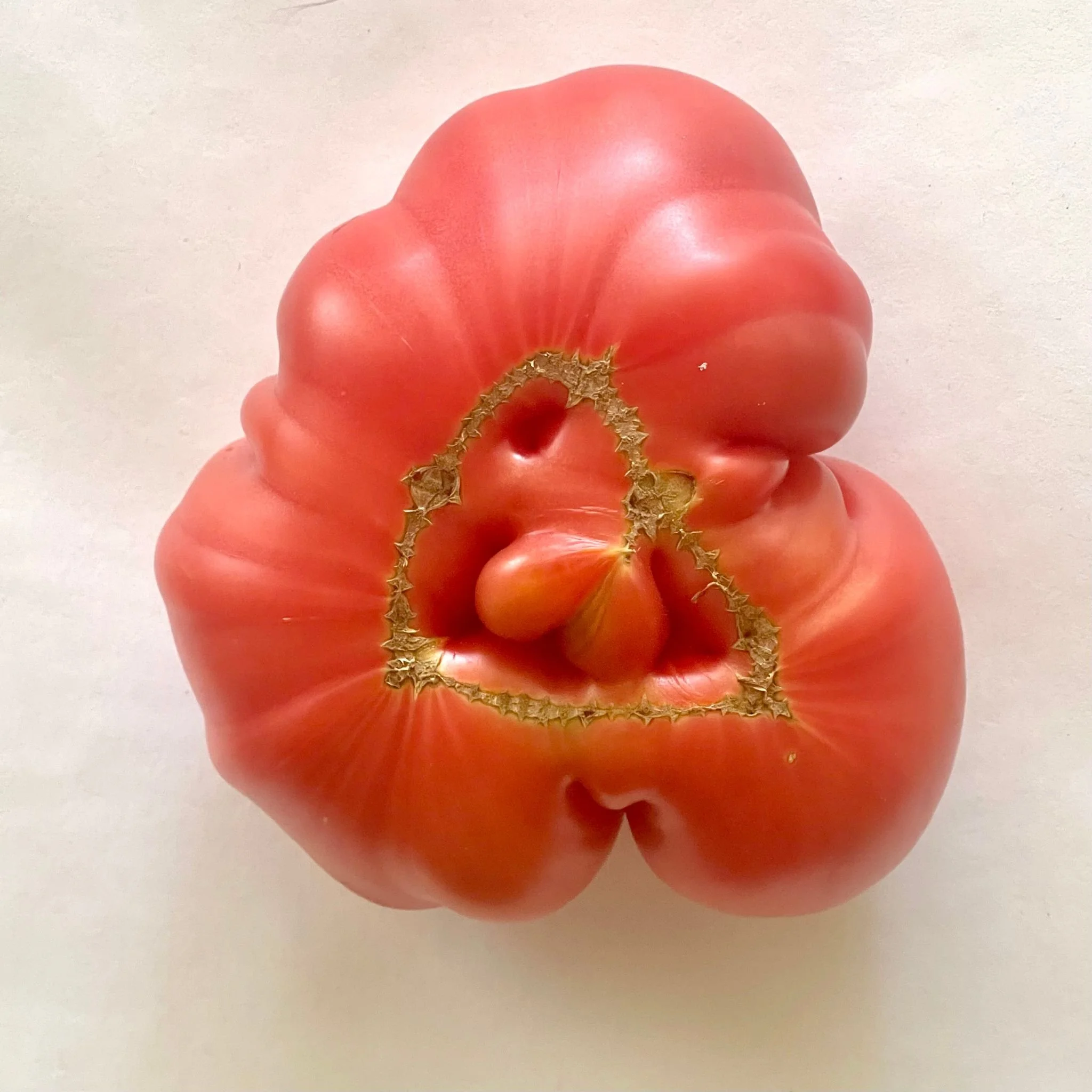
The imperfect heirloom tomato tastes better every time.
Good farms don’t fail because they say no too often.
They fail because they say yes when they shouldn’t.
Yes to speed.
Yes to scale.
Yes to convenience that quietly breaks living systems.
At Eremos Farm, we’ve learned that stewardship almost always begins with restraint.
No, We Don’t Deliver—and Here’s Why
Modern food systems pride themselves on distance.
The average steak travels 1,500 miles from where the animal was born to where it’s eaten. That includes transport to feedlots, then to processors, then to distributors, then to stores.
The average tomato travels around 1,300 miles, harvested green so it can survive the journey.
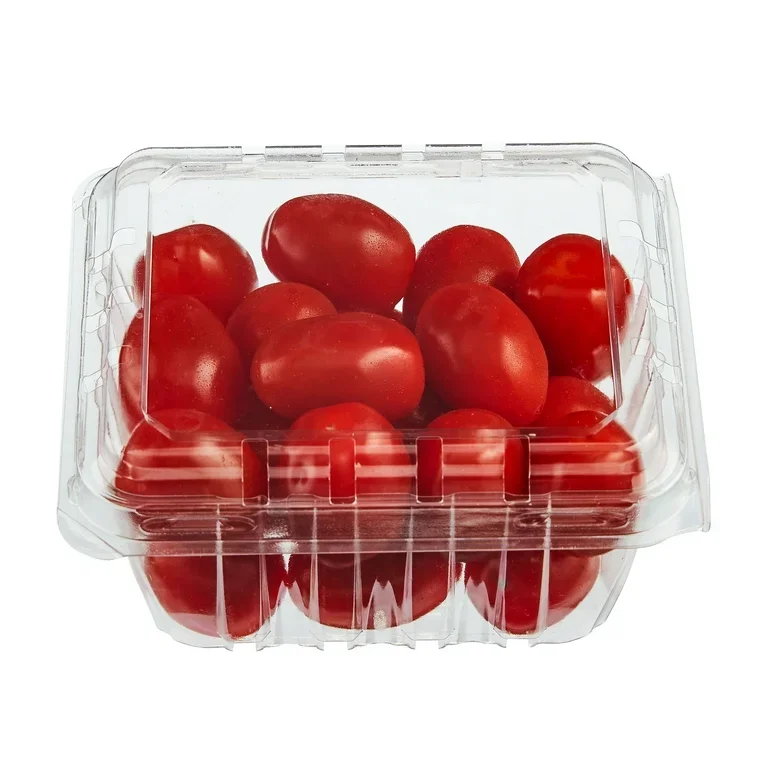
These tomatoes may be red, but they weren’t ripened on the vine
Distance isn’t neutral. It hides cost.
It hides soil depletion, fuel dependency, animal stress, and communities hollowed out of food sovereignty.
When we say no to delivery, we’re saying yes to something bigger:
Yes to local resilience
Yes to neighbors knowing their farmers
Yes to food systems that don’t collapse the moment fuel prices spike
Local food only works when communities commit to it.
No to Grain-Fed Cattle
We don’t feed grain to our cows—not because grain is evil, and not because we don’t care about them.
We say no because cows are ruminants.
They were designed to harvest sunlight through grass, build soil as they graze, and convert forage humans can’t eat into nourishment humans can.
Grain-feeding speeds growth, but it creates dependency—on monocrops, on synthetic inputs, and on systems that crumble under stress.
We’re breeding animals that can survive—and thrive—on grass alone.
Resilience beats efficiency every time.
No to Rushing Living Systems
Grass doesn’t grow on deadlines.
Animals don’t mature on spreadsheets.
Soil doesn’t heal on quarterly reports.
Rushing food production creates problems that don’t show up immediately—but they always show up eventually.
So we slow down.
Even when it costs us.
No to Bad Fits
Not every customer is the right customer.
Not every animal belongs in every home.
Saying no here protects everyone involved—from disappointment today and regret tomorrow.
No to Cutting Corners
We refuse:
Short finishing timelines
Cheap inputs that degrade soil
Marketing language that hides reality