
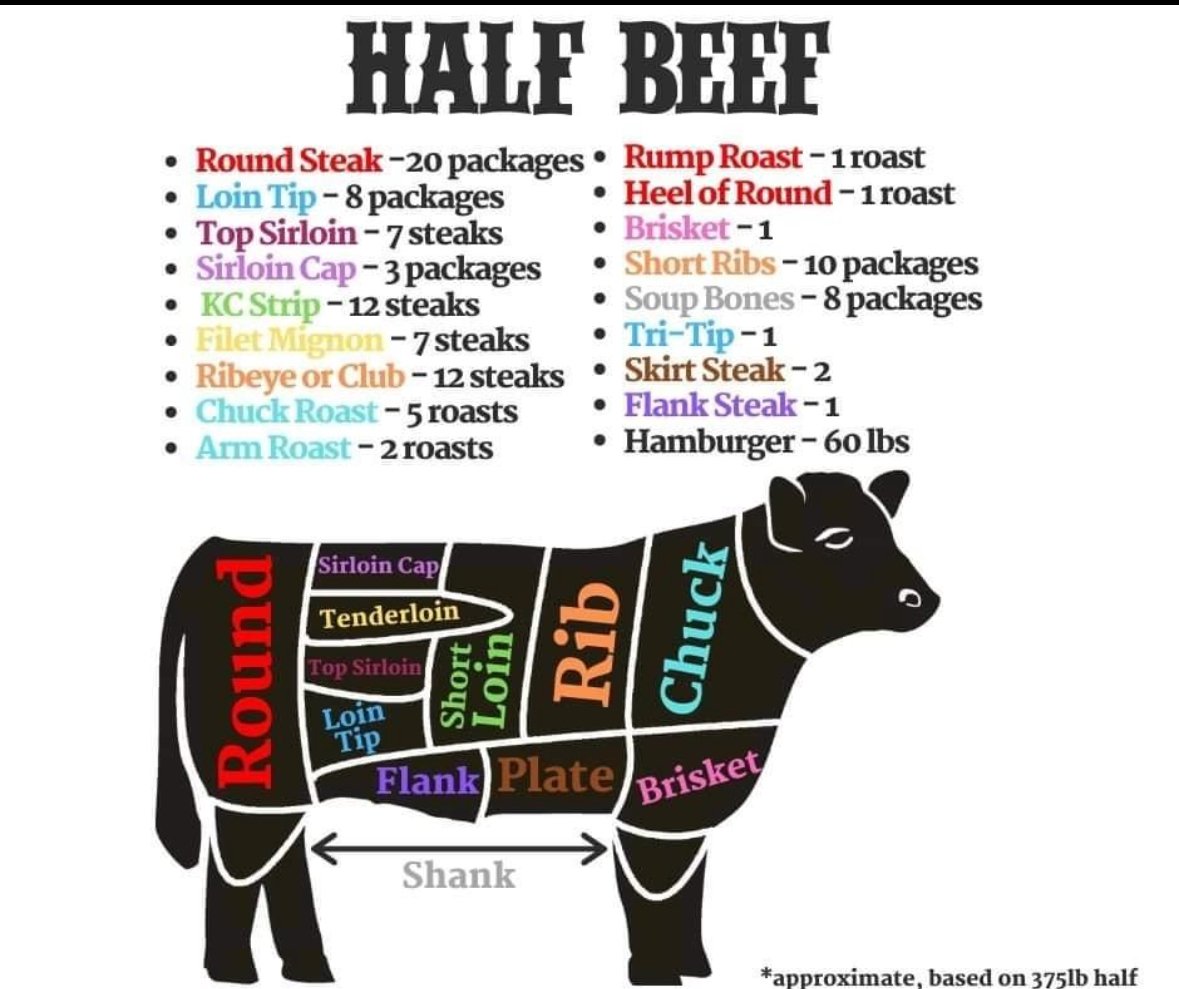
Is a Whole or Half Cow Right for You? Let’s Pull the Curtain Back.
Learn the real cost of buying a whole or half cow, how hanging weight works, and when wholesale grass-fed beef makes sense for your family.
As we head into a new year, one question keeps coming up around here:
“How Much Does a Whole or Half Cow Cost?”
And honestly? That’s a great question.
For some families, buying a whole or half cow makes a lot of sense. Maybe you cook at home constantly. Maybe you have a big family. Maybe you’re tired of running to the store three times a week and want your freezer working for you instead of against you.
But here’s the truth most farms won’t say out loud:
Wholesale beef isn’t for everyone—and that’s okay.
What “Wholesale Beef” Actually Means
When you buy a whole or half cow, you’re not buying packages of meat—you’re buying the animal itself.
That’s why wholesale beef is priced by hanging weight, which is about 65% of the live animal’s weight after harvest. It’s also why wholesale beef is non-taxed: legally, the customer owns the animal and pays the butcher directly to process it.
We deliver the animal at no charge.
You choose how it’s cut, packaged, and labeled.
Why We Charge $6.50 per Pound Hanging Weight
That $6.50/lb hanging weight is a true wholesale price, not something we made up. It aligns with what the broader cattle market pays farmers. A farmer simply can’t sell an animal for less than what the stockyards would pay—or they wouldn’t stay in business.
To put numbers to it:
A 700-lb steer would bring ~$2,975 at market today (Current pricing is $4.25/pound live weight)
Hanging weight ≈ 455 lbs- (if paying us)- $2,975 @$6.50/pound
That’s where the wholesale price comes from
You pay only for what you get, not inflated retail markups.
Processing & Packaging (The Part We Don’t Control)
Processing fees are set by the butcher, not the farm. Depending on the processor, customers usually pay $1.00–$1.55 per lb hanging weight for cutting and packaging.
With a whole or half cow, you also get:
All bones
All organs (or split if buying a half)
Bulk fat for making tallow
Full control over cuts and grind ratios
You can even choose 80/20 ground, 90/10, or leaner—though we’ll gently remind you:
fat is where the flavor lives.
Where the Savings Actually Are
Wholesale beef makes sense when you:
Want premium steaks, roasts, and specialty cuts
Use a wide variety of beef
Have freezer space and a plan
We don’t recommend turning everything into ground beef—you won’t see the same value there. The real savings come from the cuts that are expensive in the store.
When Wholesale Beef Isn’t the Best Fit
Sometimes a whole or half cow is just too much—too much freezer space, too much upfront cost, too much to manage.
That’s why we also sell by the cut.
When we process USDA-inspected beef, the costs are higher (about $1.75–$1.95 per lb hanging weight) because of inspection, labeling, and regulations. Those costs get passed on—but the benefit is flexibility.
You buy what you want, when you want it.
The Big Win (No Matter What You Choose)
Here’s the bottom line:
Whether you buy a whole cow, a half cow, or a few cuts at a time, you win when you:
Know where your food comes from
Support ethical, local farming
Feed your family real, honest beef
Wholesale beef is a powerful tool—but it’s not a badge of honor. The right choice is the one that fits your life, your freezer, and your budget.
We raise and sell 100% grass-fed, grass-finished beef in South Carolina, serving families who want to know their farmer, see their food, and buy beef with confidence. Farm pickup is available, and we work directly with local processors to ensure transparency from pasture to freezer.
If you have questions, we’re happy to walk you through it—no pressure, no sales pitch.
Just clarity.
To check out current Grass fed beef prices- see the USDA quarterly report here:
To check out current wholesale barn prices in SC, check out report here:
To start the process of reserving 1/2 or a whole cow, fill out the information here:
Heat Genetics in Beef Cattle: Why They Matter in the South
Discover how heat genetics in beef cattle, like the resilient Senepol breed, help Southern farms extend grazing seasons, improve herd health, and produce sustainable, high-quality beef in hot climates.
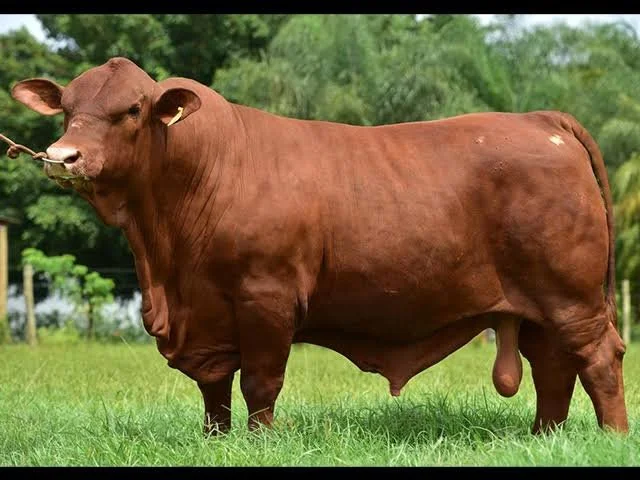
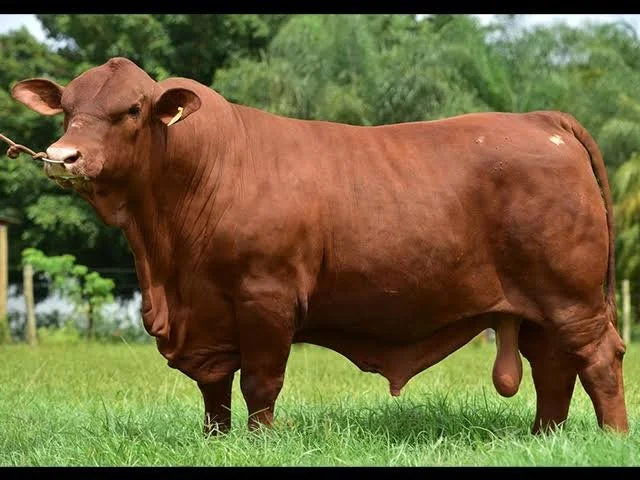
Senepol bull- These cows are known for their ability to live in hot humid environments. We want to continue to raise animals that thrive in the hot south which is why we will be shifting our genetics towards heat tolerance.
As farmers and ranchers across the South strive for sustainable and efficient cattle production, one topic that continues to gain traction is heat genetics. With rising temperatures and the region's hot, humid climate, selecting cattle with superior heat tolerance is no longer optional—it's essential. One breed leading the way in this area is the Senepol, renowned for its adaptability to heat-stressed environments.
What Are Heat Genetics?
Heat genetics refer to the traits and adaptations in cattle that allow them to thrive in high-temperature conditions. These include:
Thermoregulation: Efficient cooling mechanisms like shorter, lighter coats and increased skin surface area.
Behavioral Adaptations: Grazing during cooler parts of the day and seeking shade effectively.
Feed Efficiency: The ability to maintain body condition and growth despite heat stress.
Senepol cattle, originally from the Caribbean island of St. Croix, are a standout in this category. Bred for decades to endure tropical climates, they bring heat-tolerant traits that can revolutionize beef production in the South.
Why Heat Genetics Matter in the South
Keeping cattle on grass longer is a cornerstone of sustainable beef farming, reducing the need for costly grain feeding while promoting healthier meat and soil regeneration. However, the South’s hot climate presents challenges that can limit grazing efficiency and herd health.
Here’s why heat genetics are crucial:
1. Extended Grazing Seasons
Heat-tolerant cattle, like Senepol, continue grazing during the summer months when other breeds may reduce activity. This allows producers to maximize forage use and keep feed costs low.
2. Improved Reproductive Performance
Heat stress often impacts fertility, leading to lower conception rates and longer calving intervals. Senepol cattle, with their heat-adapted genetics, maintain reproductive efficiency even in extreme temperatures.
3. Better Meat Quality
Heat stress can affect marbling and tenderness, as animals under stress often metabolize energy differently. Cattle with heat genetics stay healthier, leading to consistently high-quality beef.
4. Reduced Environmental Impact
By thriving on grass for more extended periods, heat-tolerant breeds reduce the reliance on supplemental grain, lowering the carbon footprint of beef production.
The Senepol Advantage
Senepol cattle are specifically bred for tropical climates, and their genetic traits make them an excellent choice for Southern farms:
Short, Slick Coat: Facilitates heat dissipation.
Adaptability: Performs well in diverse environments, from humid coastal regions to arid areas.
Docility: Easier to manage in high-stress conditions.
Grass Efficiency: Converts forage into weight gain effectively, even in challenging conditions.