
How to source locally grown food and local farmers in South Carolina
So you have decided that you want to eat healthier and you want to buy local. Then you start looking up ways to buy locally and you become frustrated because you can’t find local farms easily. You may go to the farmers market, but they may not have what you need, or you want to have a better connection to your farmer.
Farmers are working on producing ways to connect better to the customer. It can be a challenge, but then once you establish the relationship, you can rest assured that you are taking the first step in supporting sustainable, regenerative agriculture and sound food systems.
Here are some websites that help to connect farmers to
Local Harvest- This is a collection of local farmers searchable by county. Farmers are not necessarily organic or regenerative, but it is a way to connect to the local farmer.
Regenerative Farmers of America- This is a database of regenerative farms across the continental United States.
Google search for your area (Regenerative, local farm).
If you are local to the Iva, Abbeville, Anderson, Greenville, Simpsonville, or Spartanburg area, then you aren’t far. We are about 15 minutes from Abbeville SC, 30 Minutes from Anderson, and an hour away from Greenville/Simpsonville area. We can deliver to Greenville or Anderson for $400 minimum delivery orders.
How to connect to us: eremosfarm@gmail.com or 864-979-0426
Subscribe to our newsletter blow!
Contact us to get fresh beef when it becomes available.
5 mistakes to avoid when building your own Portable Milking Cow Stanchion
Building a milking cow stanchion can seem straightforward until you encounter the nuances that make or break its functionality and safety. Through our own trials and errors, we've identified five critical mistakes to steer clear of.
Making It Too Wide
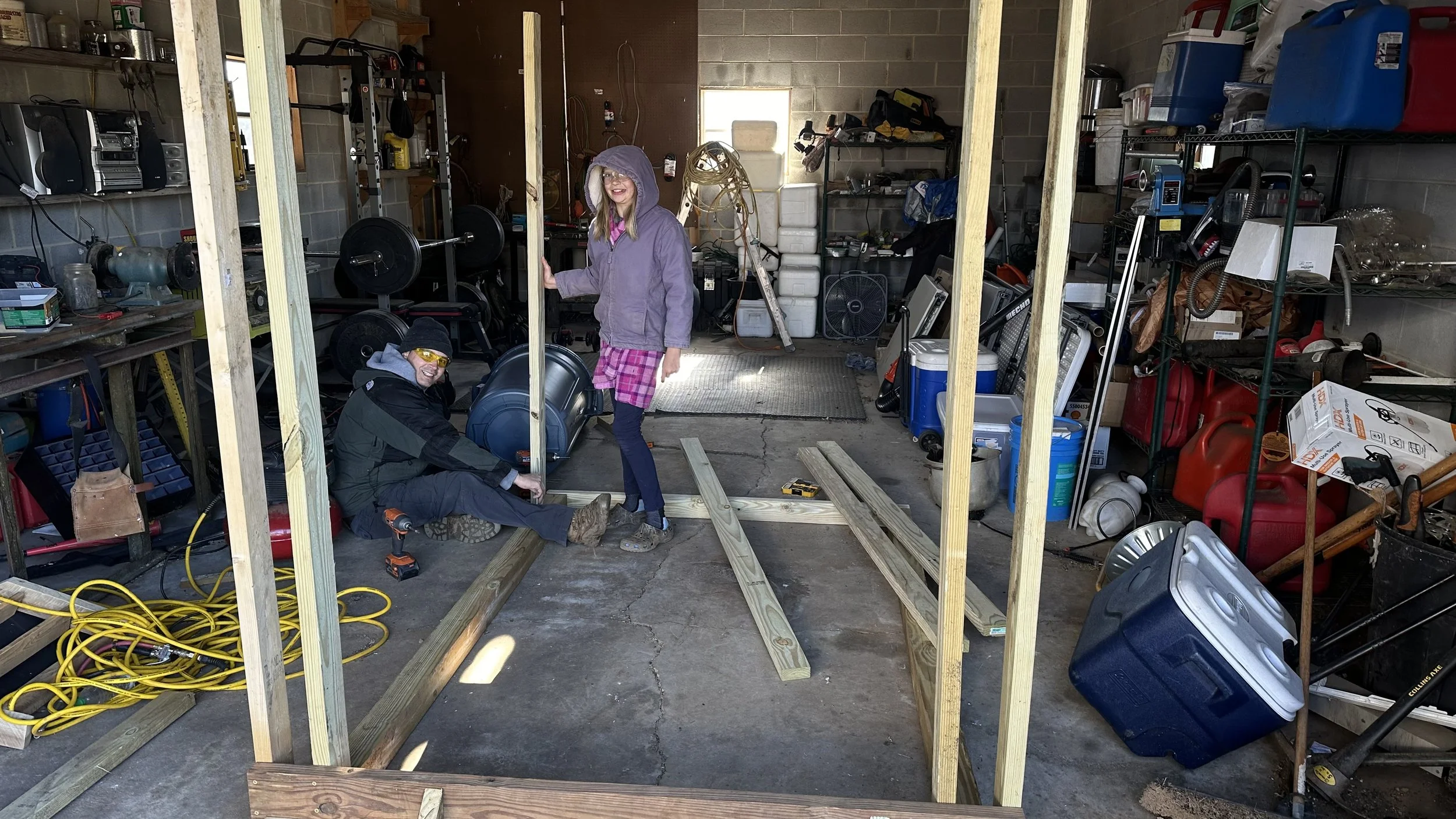
Starting with a width of 4 feet seemed reasonable to us, but we quickly realized the drawback. This width made it difficult to safely reach the cow, especially for children, turning the stanchion into a cumbersome and potentially unsafe space. The ample room allowed cows to move too freely, even attempting to turn around. Solution- Opt for a narrower design that ensures safe and comfortable access for all users while keeping the cow securely in place.
Making it too light
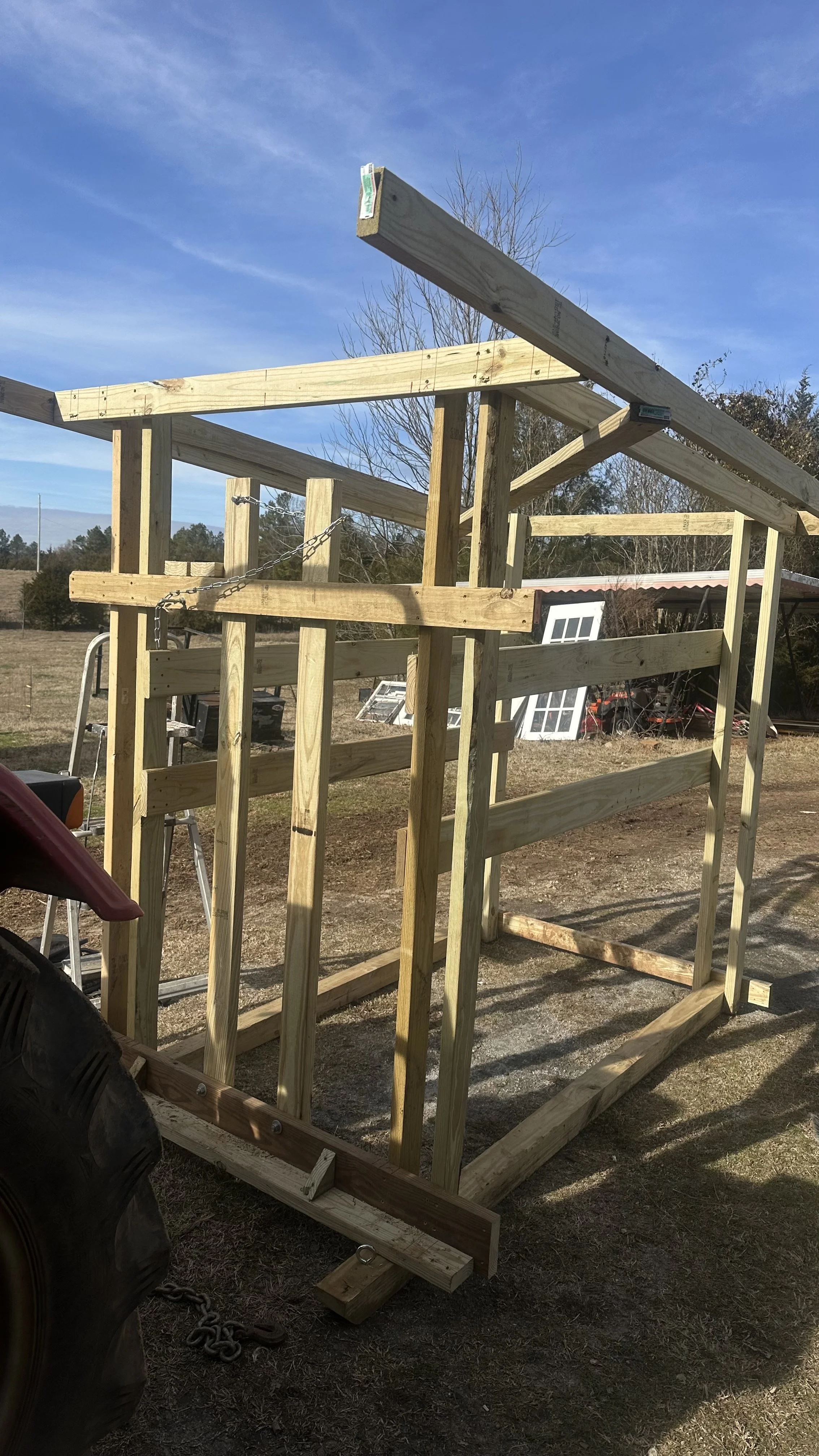
Our initial goal was a portable stanchion, but finding the sweet spot between mobility and stability was challenging. We learned the hard way that cows could easily push against stanchions that weren't sturdy enough, posing a safety risk. Initially using 4x4 skids, we realized 6x6s were a better choice for balance and durability. Tip: Consider the trade-off between portability and safety, and don't shy away from adding more weight if it means a more secure stanchion.
Having Bracing/Framing Boards Touching the Ground
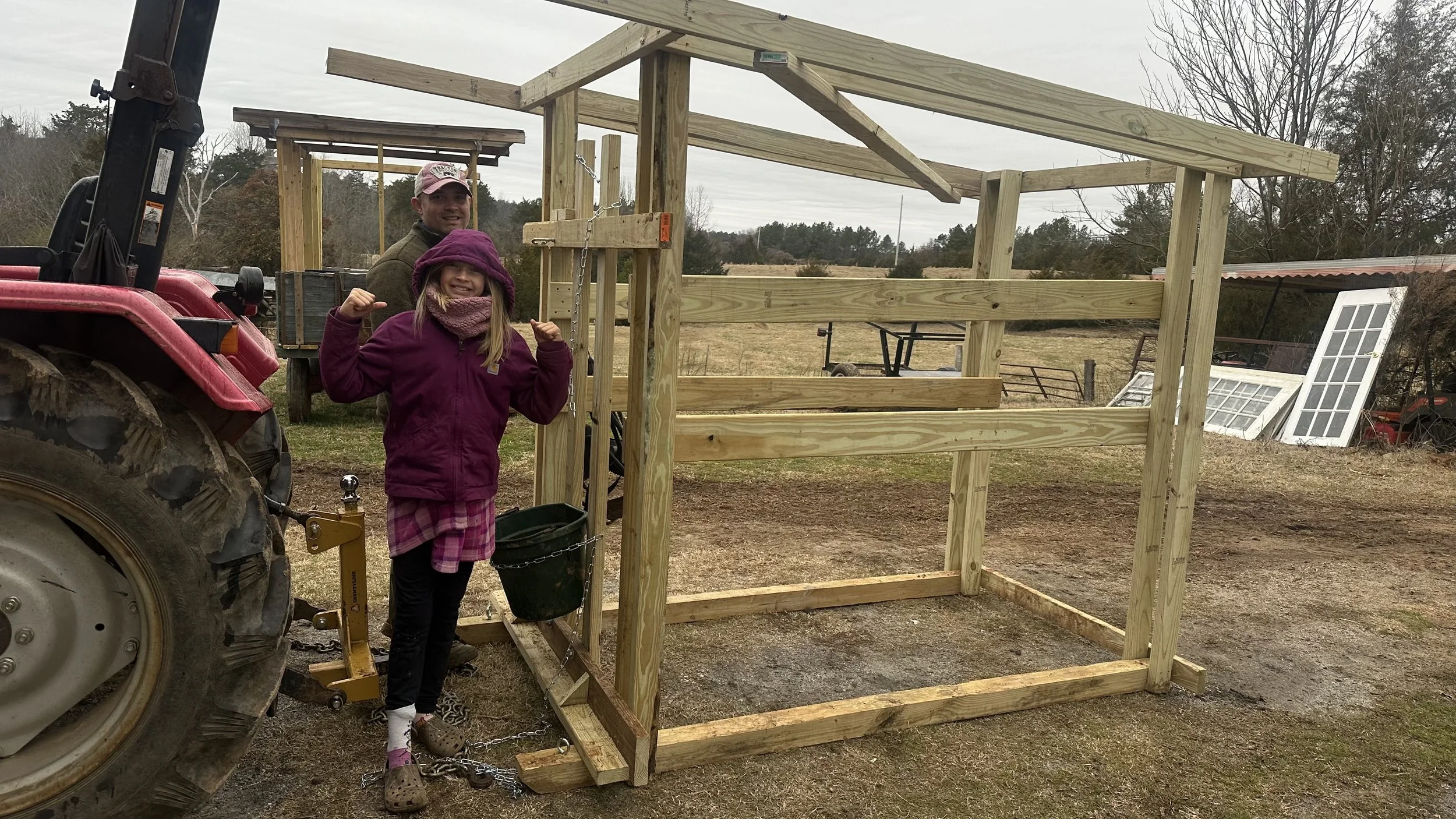
Early designs had framing boards on the ground, leading to frequent snags on rocks and stumps during movement. Quick Fix: Elevate your stanchion by constructing it on a skid frame made of 6x6s. This setup prevents snagging and makes the stanchion easier to transport. Additionally, make sure back horizontal framing boards are removable to avoid tripping hazards when cows back out.
Installing Permanent Side and End Panels
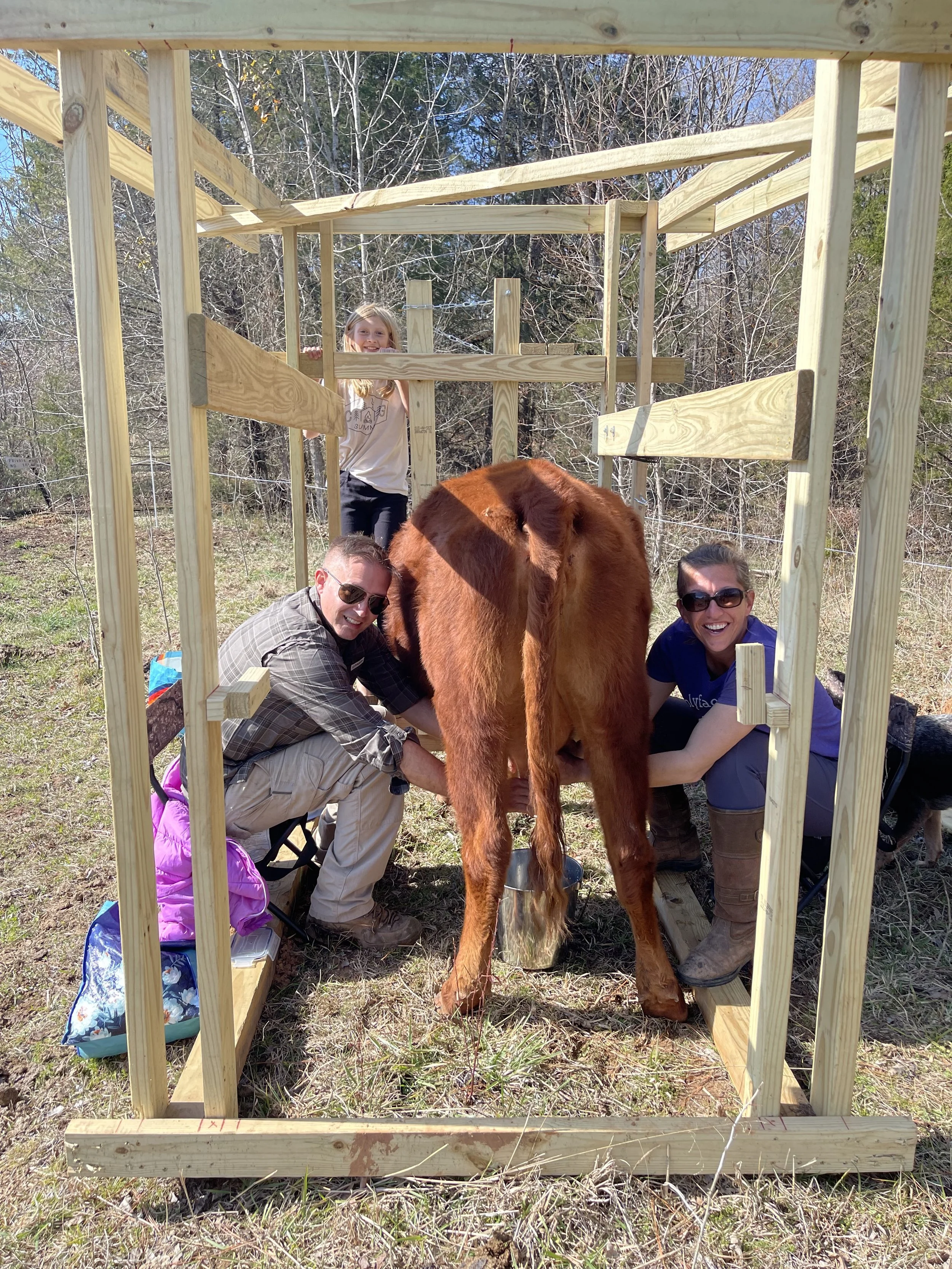
Initially, we fixed side panels to create a solid chute, which complicated milking and posed safety risks. Solution: Install removable side panels. This adjustment allows for easy access for cleaning and milking, and ensures safety by preventing being trapped between the cow and the structure. Incorporate a latch system to secure panels during transport. Here you can see how we have removed the side panels so it is easier to access the cow.
Setting a fixed headgate size
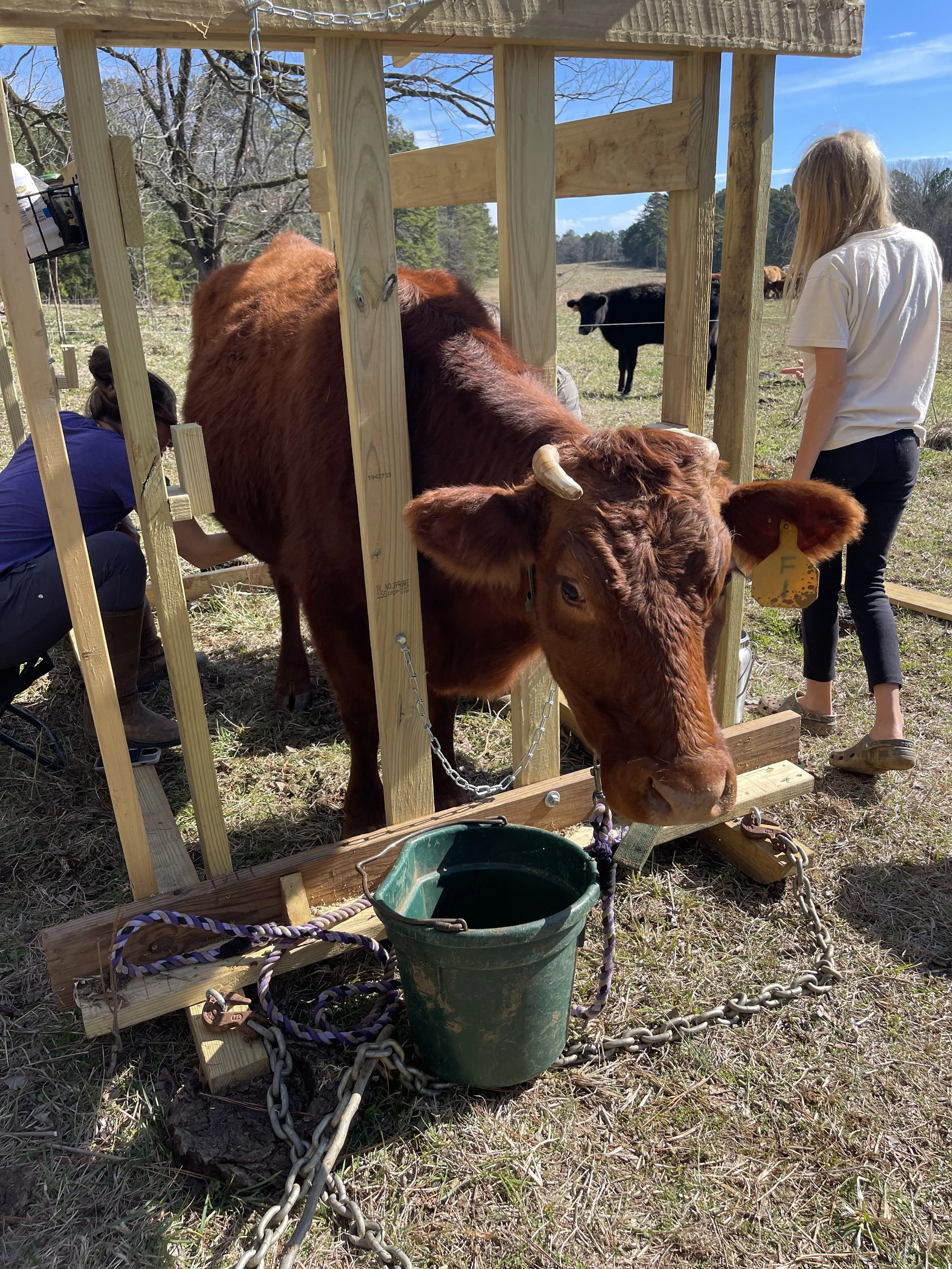
Our one-size-fits-all approach quickly proved inefficient, as it was too tight for larger cows and too loose for smaller ones. Innovative Adjustment: Implement an adjustable headgate. By securing one board permanently and making the other adjustable, we could cater to different cow sizes, ensuring comfort and preventing escape. Here you can see our smaller Devon cow has a perfect sized headgate for her smaller frame.
In Conclusion
Building a milking cow stanchion requires careful consideration of size, weight, mobility, and flexibility. By avoiding these common mistakes, you can create a safe, efficient, and user-friendly stanchion that meets the needs of both your cows and those tending to them. Remember, the goal is to facilitate a positive experience for everyone involved, ensuring your homesteading efforts are both rewarding and sustainable.
