
Overcoming the Fear of Food Processing: The Local Pastured Chicken Solution
I often hear, 'I can't buy from you because I can't get over the idea of killing a chicken!' But here's a news flash: every chicken you eat has undergone processing. In the age of mass production and convenience, it's easy to become disconnected from the source of our food. However, we aim to empower local buyers with the knowledge that transparency and ethically raised food are crucial for our community's survival. We understand that for some, purchasing local pastured chicken directly from a farmer can be intimidating, primarily due to the apprehension surrounding meat processing. It's essential that we shift our perspective and focus on the numerous benefits of supporting local farmers and enjoying sustainable, ethically grown, and healthier poultry.
1. A Return to Ethical Farming Practices:
Buying local pastured chicken from us means supporting ethical farming practices. Unlike industrial farming, where animals are often raised in confined, overcrowded conditions, our pastured chickens are given space to roam freely, forage, and express their natural behaviors. The average chicken house has over 10,000 birds. With our pastured poultry, freedom, sunshine, and sanitary living conditions are the bare minimum. We allow full expression of the “Chickenness of the chicken.” Our birds are not subjected to the same stressful situations as their factory-farmed counterparts, which translates to better living conditions for the animals. Do you expect an animal never exposed to sunlight and breathes in ammonia stench from excessive fecal debris to live it’s healthiest life?
2. Know Where Your Food Comes From:
One of the most significant advantages of purchasing local pastured chicken is the opportunity to meet and develop a relationship with your farmer. We have full transparency, which allows any of our customers to gain insights into the farming methods, animal welfare, and food production processes. Have you ever driven by a chicken house? Usually, they are surrounded by 24-hour surveillance, barbed wire, and “keep out” signs. By knowing the people who grow your food, our customers have increased confidence in the quality and ethics behind their meals.
3. Healthier Chicken, Healthier You:
Pastured chicken is ethically raised and nutritionally superior to conventionally produced chicken. These birds feed on a natural diet of insects, grass, and grains, resulting in meat higher in essential nutrients like Omega-3 fatty acids, vitamins, and minerals. By allowing our birds to eat a variety of grasses, bugs, vegetation, and non-GMO feed, we are expressing the animal's optimal health. Pastured chicken tends to be leaner and contains less saturated fat than its factory-farmed counterparts, making it a healthier choice for your diet.
4. Supporting the Local Economy:
Purchasing local pastured chicken isn't just about eating better; it's also about supporting your local community. By buying directly from farmers, you are improving the sustainability of small-scale agriculture and reducing the carbon footprint associated with transporting food long distances. Buying from mass stores means you support the four conglomerates of the food industry: Tyson, Sanderson, Purdue, and Pilgrim’s Pride. If you remember from COVID, bare shelves hopefully made people realize that their lack of connection to their farmers could result in a lack of accessibility to food.
5. Environmental Sustainability:
Factory farming significantly negatively impacts the environment through its use of resources, waste production, and greenhouse gas emissions. Have you ever driven past chicken farms where the stench is so horrible you don’t even want to breathe? Farming should not have a noxious smell if done right. Sanitary conditions should never smell if the appropriate mix of carbon is added. Our pastured chickens always live in hygienic conditions because we rotate daily to fresh grass. These sustainable practices also improve soil health, sequester carbon, and enhance the local ecosystems.
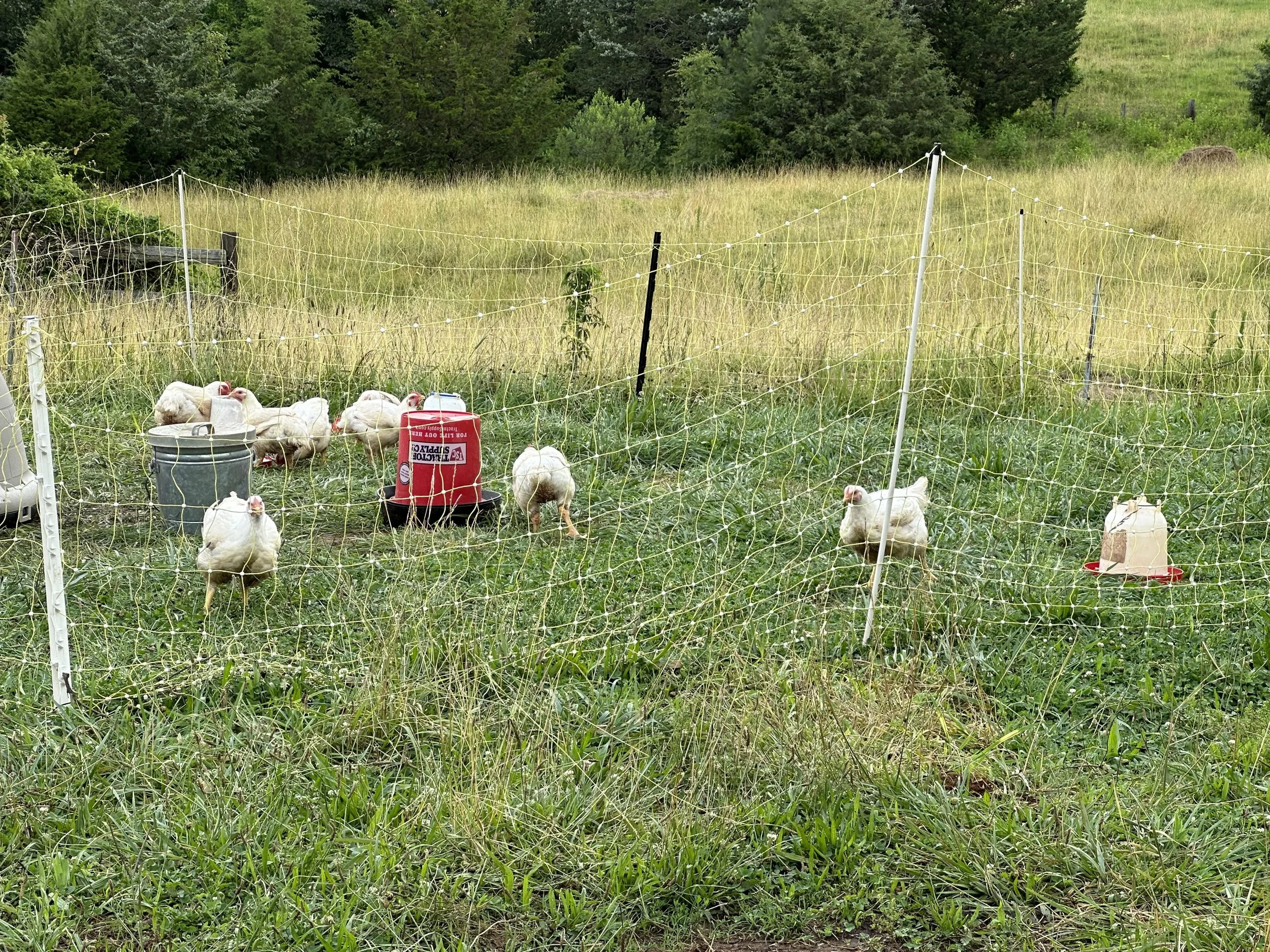
We raise Cornish cross meat chickens. They are bred specifically for meat due to their quick growth and delicious flavor. Each day of their lives, they are exposed to fresh air, fresh grass, and rotated areas.
6. Redefining Food Processing:
It's important to clarify that the processing of local pastured chicken is typically done with great care and attention to detail. Many small-scale farms adhere to humane and respectful processing practices, prioritizing animal welfare. While the idea of processing may still seem intimidating, choosing locally-sourced poultry ensures that these processes are more transparent and humane compared to mass-produced alternatives.
It’s time to shift our focus from the apprehension of processing to the numerous benefits of supporting locally sustainable food. This change not only aligns with ethical, sustainable, and healthier food choices but also rekindles a sense of community and a deeper connection to the source of our food.
By purchasing local pastured chicken, you are improving your well-being and contributing to the betterment of your community and the planet. So, let's embrace the opportunity to make a difference one meal at a time and savor the flavors of ethically grown, locally sourced poultry.
We will have fresh chicken available for pre-purchase here. The chicken will be bagged and ready to eat by October 23rd, or it can be stored in your freezer for later enjoyment.
The processing date is October 20th. The birds will be available for farm pickup October 20th-October 23rd. We can deliver to Greenville on the 23th at a Central pickup location and Anderson on October 24th.
We hope you choose to #supportlocal today.

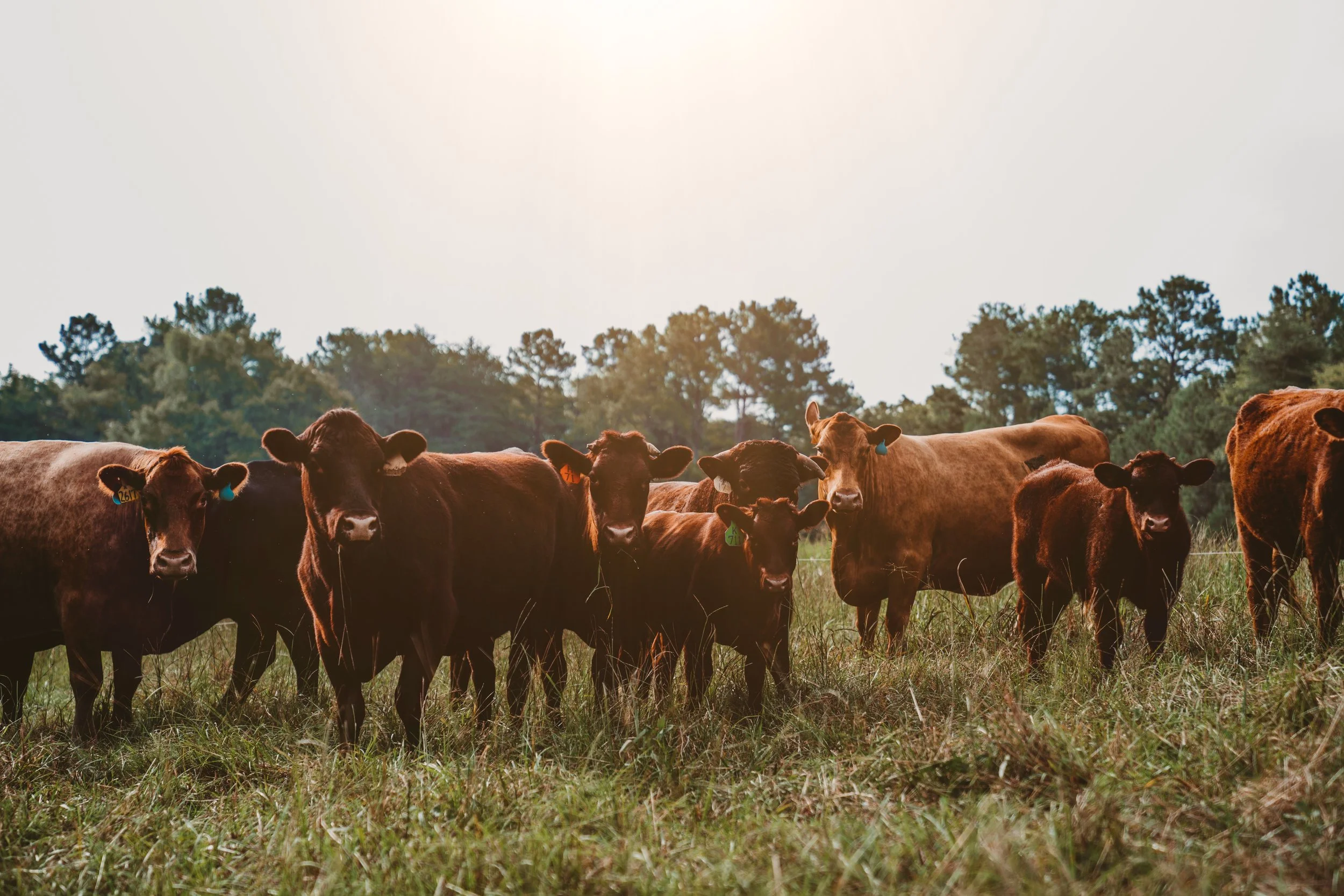
Scientific evidence show grass-fed beef is healthy for you.
With the increase in cancers, chronic diseases, and inflammatory issues in the United States, many generalize “red meat” as unhealthy. As sustainable farmers, we are tired of “grass-fed” beef, and “feed-lot” beef discussed as being in the same category, so we want to clarify this for consumers. Grass-fed beef is healthy for you and should be an essential part of your diet.
As sustainable and regenerative farmers, we focus on growing food that is both good for the planet and the consumer. Check out our video on how Eremos Farm is making food better for you, the earth, and the animals.
Beef is tagged unhealthy- but that's feedlot beef. Grass-fed beef has many healthy characteristics that give people the healthy protein they need, plus so much more.
In addition, consumers can verify that their beef is ethically raised on our farm. Just check out this video of our recent pasture rotation, where cows joyfully move from one paddock to another. Our animals are given the best every day of their lives. They are given high-quality minerals, and tall, mature grass is offered daily. They can enjoy a salad bar of greens at their disposal. Their stress level is minimized by gentle handling and dependable schedules in a peaceful environment.
As a consumer, I need more data to back up the facts. Here are some notes from the article by Dr. Allen Williams and his staff @UnderstandingAg on the healthy benefits of grass-fed beef. The study information came from research by Dr. Stephan Van Vlient, Department of Nutrition, Dietetics, and Food Sciences, Utah State University, and the Bionutrient Food Association.
Here are SOME of the study findings:
Grass-fed beef is up to 7 times higher in Omega three fatty acids. Omega three fatty acids are anti-inflammatory that help decrease inflammation in your body. Most feedlot beef is higher in Omega 6 fatty acids which are inflammatory to our body, much like vegetable and hydrogenated oils.
Grass-fed animals had lower levels of homocysteine, triglycerides, and advanced glycation end products- All of which are associated with improved cardiovascular health for the animal and humans.
If the animals take in phytonutrients by a variety in their diet, those benefits will be a part of their meat and passed onto the consumer.
Grass-finishing animals concentrate significantly higher amounts of phytochemicals, including polyphenols, tocopherols, and carotenoids (Beef Nutrient Density Project Report, Dec 2021).
Phytochemicals are naturally occurring bioactive compounds derived from plants with antioxidant and anti-inflammatory effects in animals and humans. Phytochemicals have a role in the prevention and management of many chronic diseases.
Ruminants have access to nutrients that we do not have access to by plants that they eat. We cannot eat those nutrients because we cannot digest them. We can benefit by eating an animal that has been given access to a variety of nutrients in healthy grasses and forage.
Grain Finishing Negative effects
Grain finishing negatively affects glucose metabolism, and grass finishing improves mitochondrial/energy metabolism.
The muscle of grain-fed animals exhibits early signs of metabolic health issues.
The ratio of inflammatory Omega 6 Fatty acids verses Omega 3 fatty acids ranges between 35:1 to 55:1 in grain-finished beef when grass-finished beef ratios are 3:1.
Conventional grain finished beef has higher calories, lower protein, higher saturated fats, and lower essential vitamins and minerals than grass-finished beef.
If you want to check out the full Understanding Ag article on the Nutritional comparisons between Grass-fed beef versus traditional grain-fed beef, you can read it here! See the interview with Dr. Stephan Van Vliet about the nutritional aspects of healthy beef.
The bottom line is that grass-fed beef is shown to be healthy. We can sell you healthy, 100% grass-fed beef. You will be able to sleep at night knowing that you are not only doing your part to eat clean meat but also helping restore the environment.
Start the process here if you want to get on the waitlist for a half or whole cow. Get on track to eating your healthiest yet!